Posted March 30, 2026

By Matt Badiali
The Iran War Will Drive Costs Higher for Longer
The market knows that all the damage to the Middle Eastern oil infrastructure means big bucks for oil services:

The reason is simple…the Iran war destroyed critical energy infrastructure around the region.
The Butcher’s Bill (So Far)
Petrochemicals (oil and gas) underpin so much of our modern life. And when things like wars disrupt the flow of those chemicals, we, and I mean “all of us,” pay for it.
Here’s a short list of the critical infrastructure damaged as of March 25, 2026:

This is just the equipment used to produce oil and gas from underground and prepare it for shipment.
The Experts
Some experts out there understand what’s going on.
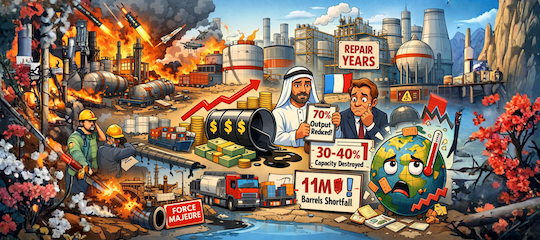
For example, France's Finance Minister Roland Lescure said the war damaged or destroyed 30–40% of Gulf refining capacity. It’s important to understand that he’s not talking about oil and gas coming out of the wells. He’s talking about the ability to turn it into the stuff we use.
He forecasts an 11-million-barrel-per-day global shortage. And he believes it will take 3 years to rebuild the worst-hit facilities. This is the downstream impact of the list on the table above. And it is much more “real world.”

This is information we won’t get from the “official” reports from the countries and companies involved. The story coming out of the Middle East is more about resilience than damage.
For example, the CEO of the giant oil company Saudi Aramco, Aram Nasser, told investors that the company can still export 70% of its production… rather than saying 30% is offline.
We know the damage is significant because it triggered force majeure clauses, spooked the bond markets, and caused sovereign credit ratings to collapse.
Force majeure is a standard clause in contracts that… “excuses a party from fulfilling its obligations when an extraordinary event beyond its control makes performance impossible or impractical.”
The list of companies that declared force majeure includes oil, natural gas, and LNG shippers; helium and aluminum producers; and major shipping companies.
Wrap Up
This isn’t an isolated war anymore. This is a global economic disaster. And it's going to take years for the industry to recover.

Just Blew It.
Posted October 08, 2026
By Sean Ring
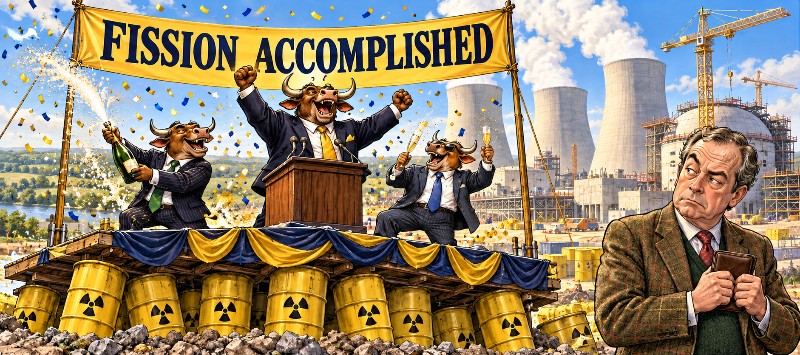
Fission Accomplished?
Posted October 07, 2026
By Sean Ring

The Lease of Their Worries
Posted October 06, 2026
By Sean Ring

You Can’t Print a Smelter
Posted October 05, 2026
By Sean Ring

Pardon My Financial French
Posted October 02, 2026
By Sean Ring