Posted August 17, 2026

By Matt Badiali
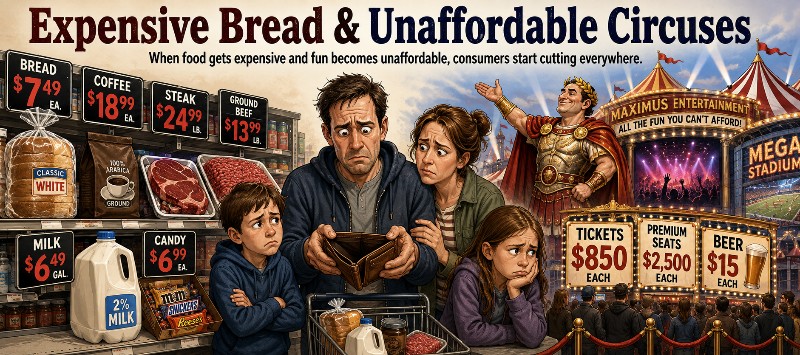
Expensive Bread & Unaffordable Circuses
On Fridays, I went to my grandmom’s house after school. She’d pick me up from elementary school and I’d stay at her house. We used to walk to the corner store as part of our routine. She’d buy me a candy bar and a balsa wood airplane. Then she’d lament the price increase on the walk back to her house.
Those walks always hit on a few themes. It was when I learned that the penny loafer actually had built-in change holders. I learned that penny candy, like Swedish fish and licorice, used to cost a penny.
That’s the sort of thing I expect from older people (now I’m in that class too). We remember prices from our youth. Stack enough years, and even 2% inflation becomes noticeable. But here’s the thing…we just went through a decade’s worth of inflation in two years.
The most noticeable is in food.
Breaking Expensive Bread
The trip to the grocery store is far less fun today than it was a couple of years ago. For those of us who manage the family budget, this is a huge hit. Far more than the couple of percentage points the Federal Government claims.
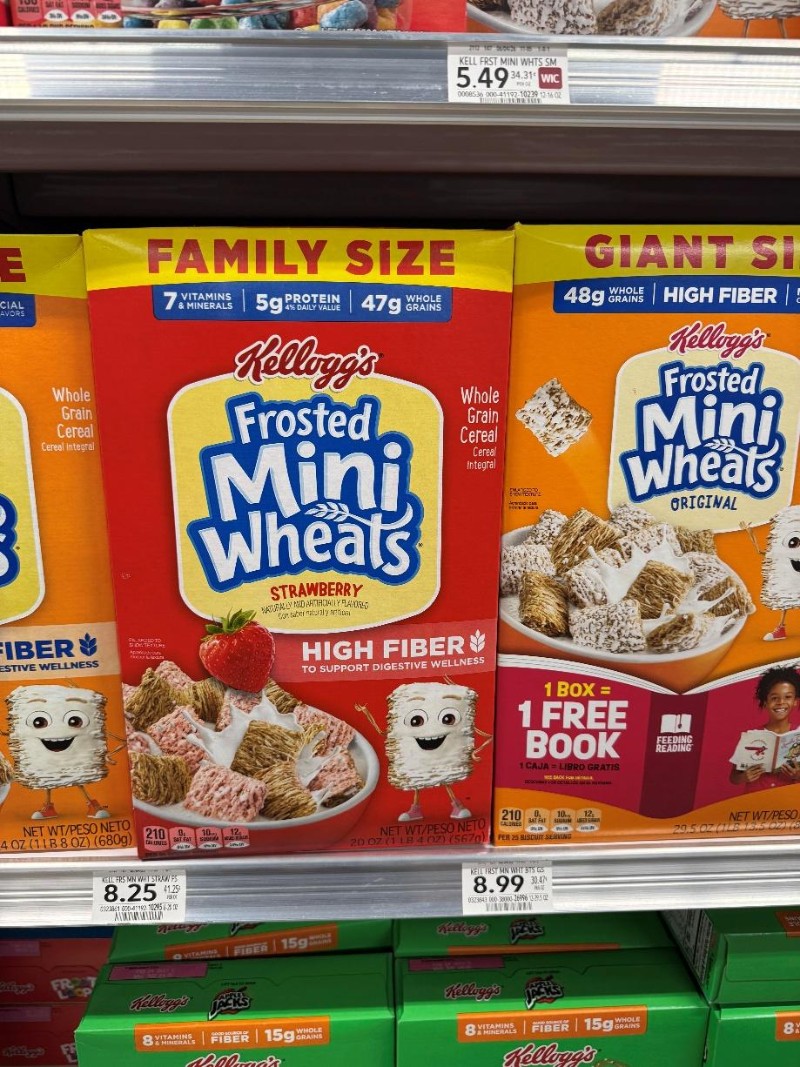
The most visible are ready-to-eat foods like cereal. The price of cereal, in particular, achieved ridiculous levels.
According to the Bureau of Labor Statistics, these are the foods with the highest inflation over the past TWO years:
- Coffee: +28%
- Steak: +25%
- Ground Beef: +24%
- Candy and Chewing Gum: +19%
- Tomatoes: +14%
- Milk: +9%
Economists will remember this period, from the pandemic through today, as one of massive increases in the cost of living.
Even my kids feel it. They see how much of their summer job paychecks go into their gas tanks. I feel for them. They became adults in a period when everything became expensive. You can’t even go out to distract yourself from the high cost of food.
Attending Expensive Circuses
A movie ticket jumped 42% in the past ten years. Popcorn and fountain soda prices at theaters jumped as much as 60%. Today, it costs between $30 and $40 for a ticket, popcorn, and a drink.
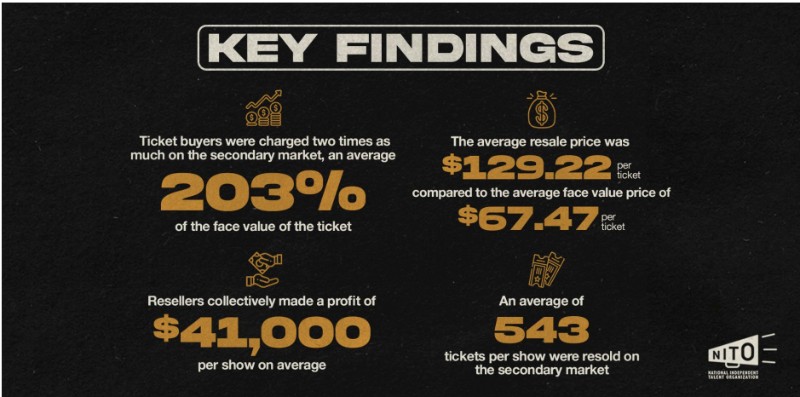
Forget going to a concert. The new normal is that automated ticket buyers get all the tickets. We have to buy them from a broker…at twice the face value plus platform fees.
The most egregious example of these “unaffordable circuses” has to be this year's World Cup games. Here’s a breakdown of prices for the World Cup games:
- Group Stage Match: $150 to $850 per ticket
- Marquee Group Match: $400 to $3,200 per ticket
- Round of 16: $380 to $1,600 per ticket
- Quarterfinal: $650 to $2,900 per ticket
- Semi-final: $2,500 to $11,000 per ticket
- Final: $8,000 to $10,000 per ticket
Lol.
And that’s just the tickets. It doesn’t include parking, food, and beverages. A beer costs $15 each. I’m no cheapskate, but that’s an expensive soccer game.
To put that in context, according to the U.S. Travel Association, the average American plans to spend about $2,650 this year on trips and vacations. So, a World Cup game was this year’s and probably next year’s travel budget.
I know this kind of thing feels like pushing on a bruise. We all feel it. But what matters is how it makes us feel as investors.
Empty Punch Bowls
When we feel budgets pinch, we spend less. That has a major impact on Wall Street. We buy less. That reduces companies’ earnings outlooks. Here’s a list of companies that revised their outlooks for the rest of 2026:
| Company | Ticker | Sector |
| Somnigroup International | SGI | Mattresses and bedding |
| Wingstop | WING | Quick-service restaurant |
| Sunrun | RUN | Residential Solar |
| Pentair | PNR | Residential Pools |
| Gruma | GPAGF | Packaged food and Tortillas |
| LKQ | LKQ | Aftermarket car parts |
| Flutter Entertainment | FLUT | FanDuel/Online gambling |
You can see the pattern here. Mattresses, restaurants, pools, packaged food, gambling…all stuff we spend our extra money on. But these are also the things we cut or delay when the budget gets tight.
Wrap Up
These are just the first companies to admit that things aren’t great. But they are harbingers. Things are not great in the average homes around the country. The stuff we buy every day is noticeably more expensive. The distractions that take our minds off our concerns are noticeably more expensive. That adds up to weaker consumer confidence.
Said another way…
If “bread and circuses” keep America from revolting, get ready for a revolt.
Invest accordingly.
Confession Day
Posted August 14, 2026
By Sean Ring
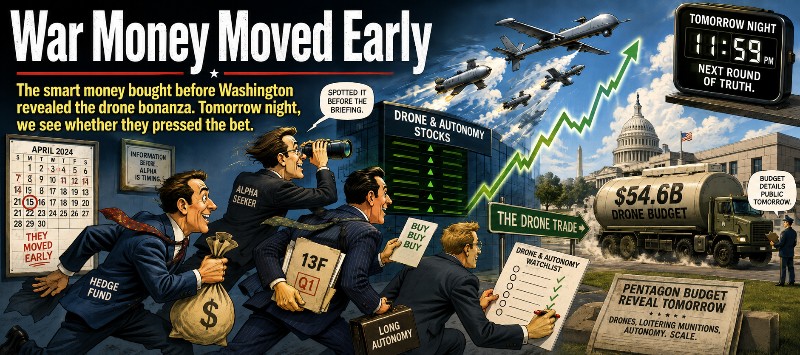
War Money Moved Early
Posted August 13, 2026
By Sean Ring

Wall Street's Forced Confession
Posted August 12, 2026
By Sean Ring

The $53 Billion Side Door
Posted August 11, 2026
By Sean Ring
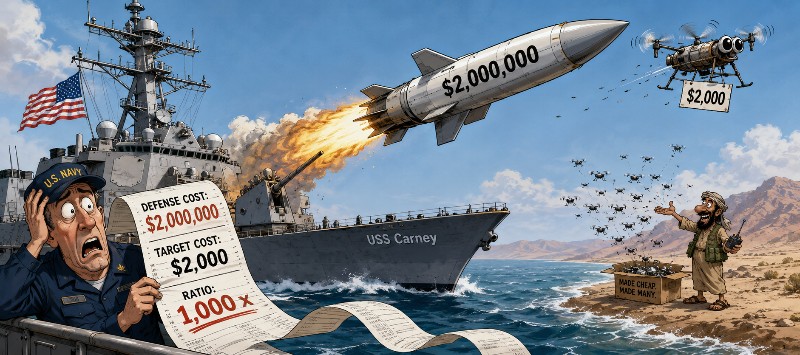
The $2 Million Fly Swatter
Posted August 10, 2026
By Sean Ring