
Posted October 22, 2026

By Sean Ring
All That Glitters Is Diesel
Greetings from the Old World, where silver is getting crushed to under $56 as I write.
On the Paradigm app last week, I called silver a busted flush. My friend and colleague Adam Sharp answered with a Daily Reckoning piece called “The Great Silver Debate.” He was gracious about it.
Adam noted I sold my silver miners on February 9 with silver at $83. Then he wrote that he’s holding anyway, and he gave good reasons, including capital gains tax liabilities, which I don’t have to worry about in my particular retirement account.
Still, my opinion hasn’t changed, but I’d like to elaborate. There are four reasons I’m not just short-term bearish on silver, but on gold, too.
1. Silver’s Chart Is Still Broken
Silver has made three lower highs since January: $96.43 in March, $89.38 in May, and $71.18 in August. That May move nearly fooled me, but luckily I didn’t buy back in.
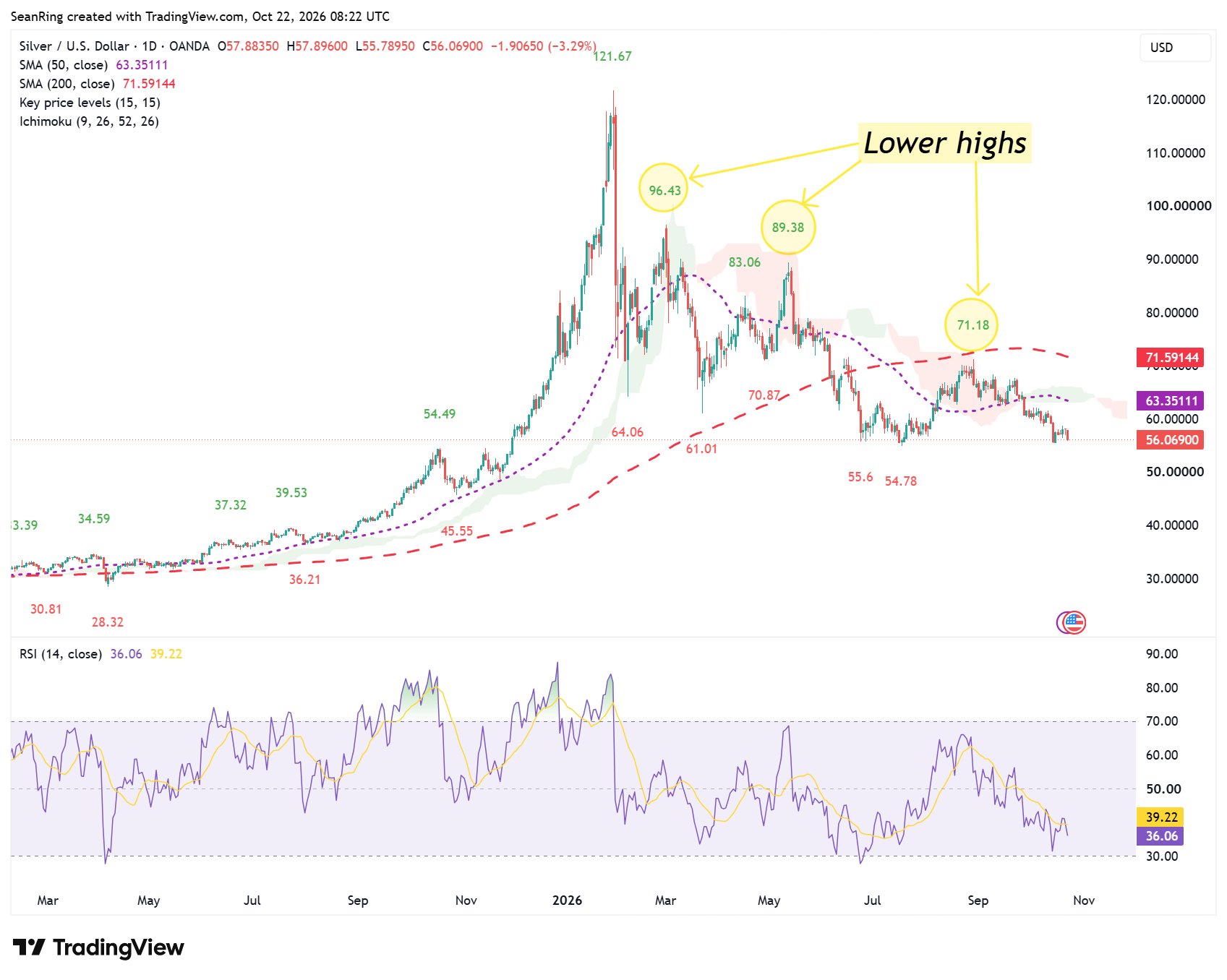
If silver breaks below $54.50, and that looks inevitable, we’ll probably see a move down to around $45. There, we can start to get excited. We can’t call the bottom. We want to see how it bounces off the new lows.
If we get to that level and see a good pop, our margin of safety will be big enough to start buying miners again.
It’s worth noting that despite the sell-off, mining stocks AYA, SSRM, and DSVSF have held up particularly well.
2. Gold’s Forced Sellers
From 2022 to January, central banks carried gold higher. They bought without caring about price. Since the Iran conflict began, some became forced sellers.
Turkey’s central bank sold 85 tons through July this year, according to the World Gold Council. Russia keeps selling. Azerbaijan’s state oil fund sold 22 tons in the first quarter. In March, central banks as a group were net sellers for the first time in ten months.
Then there’s America itself. Jason Furman, who ran Obama’s Council of Economic Advisers, posted an astounding chart. Net exports of nonmonetary gold, which means private gold rather than the Treasury’s reserves, hit a record through August.
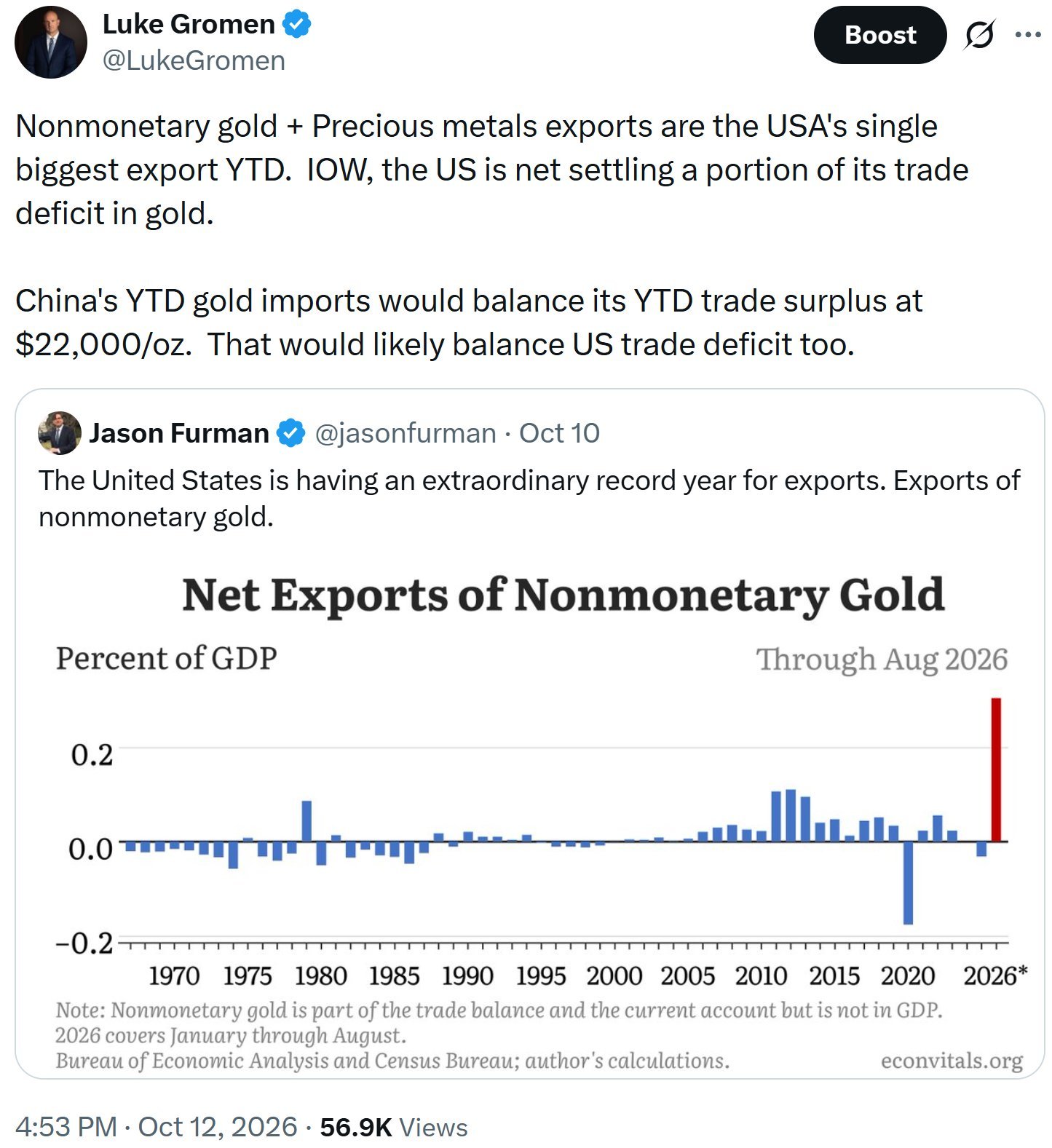
Measured against the economy, nothing since the 1970s comes close. Economist Luke Gromen put it plainly: gold and precious metals are now America’s single biggest export this year.
Western vaults are shipping bars east to raise cash. The surplus countries want metal. The deficit country is paying in it. (If you just felt a frisson thinking about the Roman Empire bankrupting itself by selling its gold for Chinese silk, you’re thinking what I’m thinking.)
Then there’s the Gulf. Goldman Sachs estimated the six Gulf states lost about $700 million in oil revenue for every day Hormuz stayed shut. Qatar’s energy income fell off a cliff because it ships nearly everything through the strait.
CNBC reported that Gulf states were selling gold to cover the shortfall. The official numbers don’t show it, but most Gulf wealth sits in sovereign funds, and those funds report to no one.
Unless the Middle East madness stops, this selling will continue.
3. Shrinking Miner Margins
A mine runs on diesel. Haul trucks burn it by the tanker. Explosives come from it. The crushers and mills run on power that tracks it.
In March, Argonaut’s research team raised cost estimates across the gold producers it covers. Higher diesel adds 4% to 5% to all-in sustaining costs at open-pit mines and 2% to 3% underground. That was before Brent crude ran to $108 in September. (Brent is trading at $113.85 as I write.)
Counterintuitively, U.S. pump prices for gasoline are more correlated with Brent than WTI because 75% of globally traded oil is waterborne.
As a result, U.S. producer prices rose 1.3% in a single month, the biggest jump since 2022. Middle East adventures tend to do that to energy costs.
A Jefferies note put the trap in one line: “Open-pit miners are essentially long on gold but short on oil.”
When you buy a gold or silver miner, you also short oil, whether you mean it or not. And I’m bullish on energy. If I own both energy and mining stocks, I’m betting oil goes up… and betting it doesn’t?
That makes no sense to me.
Adam says his miners are still printing money despite high oil and falling silver. He’s right, for now. A low-cost producer earns fat margins at $4,080 gold.
But a mining investment is a bet on the gap between what the miner can sell the metal for and what it costs to dig it up. That gap is shrinking from both revenue and cost perspectives.
4. The Almighty Dollar
September’s CPI reading came in at 3.7%, with Core CPI at 2.6%. Both were hotter than consensus forecasts. The Dollar Index hit 102.95 on the news, its highest level in over a year. It has eased since, but a pause in an uptrend isn’t a reversal.
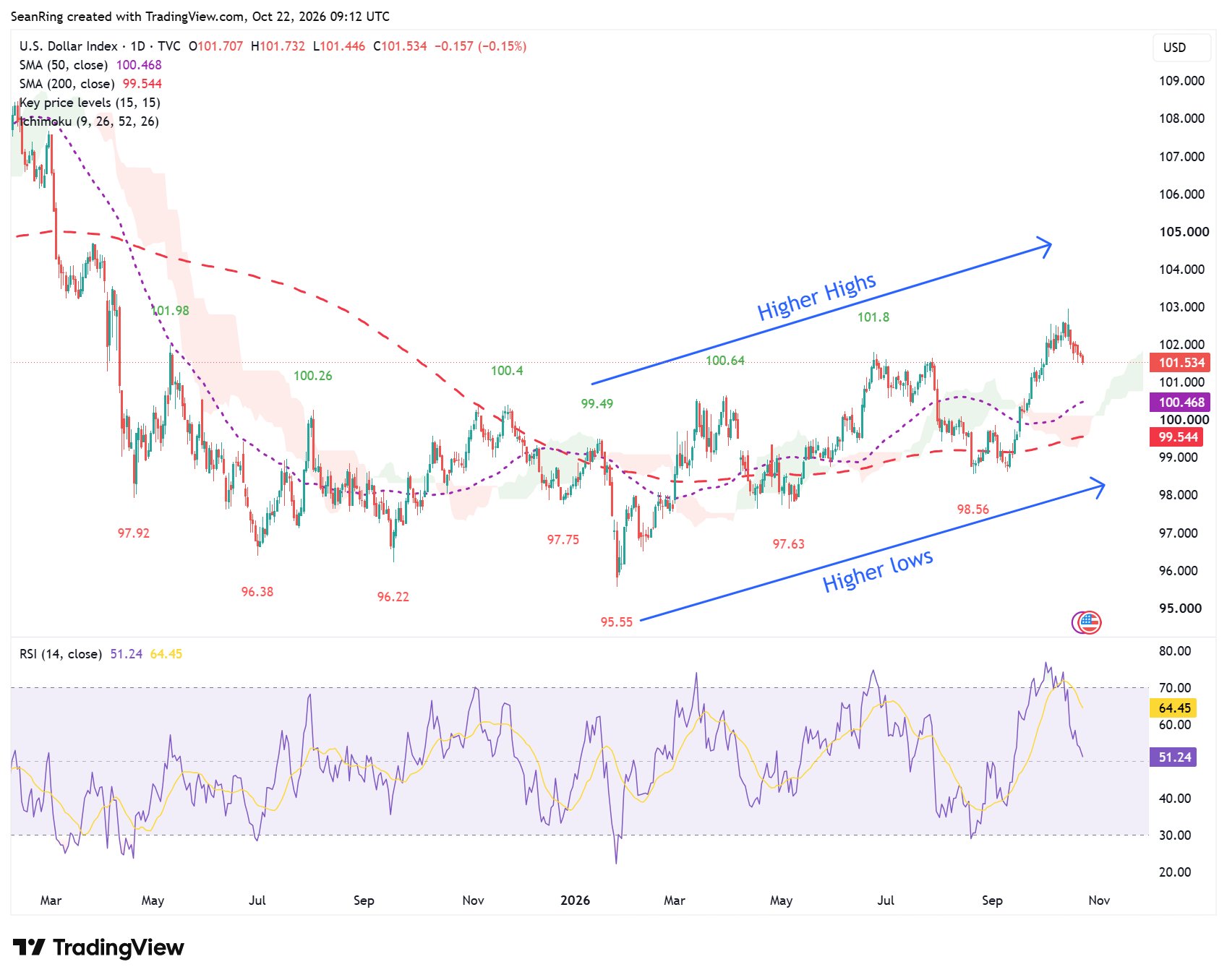
Gold and silver are priced in dollars. When the dollar rises, the metals cost more for everyone else on Earth, so demand cools.
Then there’s the Fed. While a hike next week is unlikely, the futures market prices in a December hike at over a 90% probability.
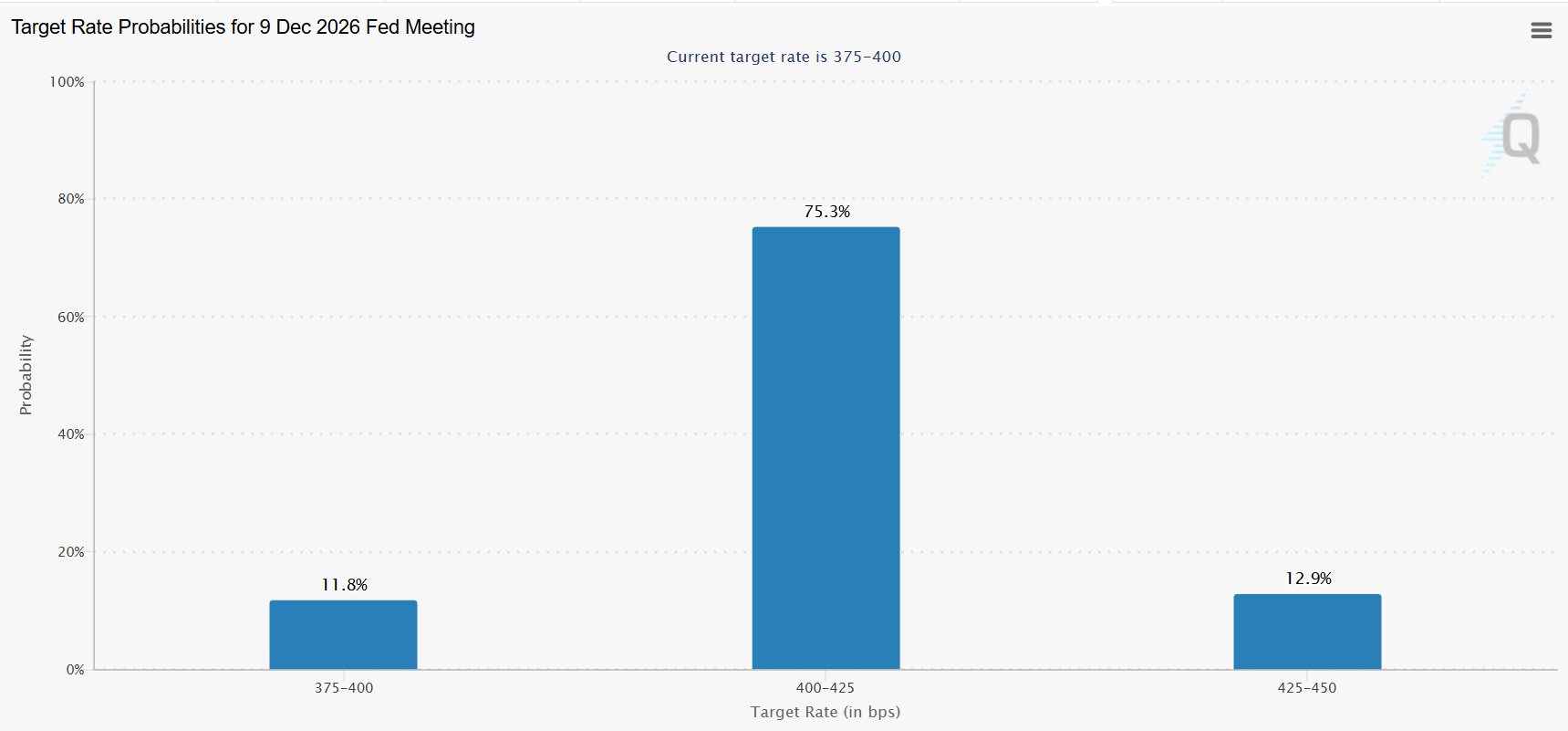
That potential move hangs over the market like Damocles’ Sword.
Where Adam and I Agree
Adam plans to hold silver for ten years. He expects a chaotic, inflationary decade, and so do I. He cites Jim Rickards’ $200 target and says he doesn’t care if it takes until 2028. Fair enough. I also think silver will get there, but not before further selling.
He also makes a point I can’t argue with. Most of his metal sits in taxable accounts. When I have them, my mining investments don’t. It makes an enormous difference.
If you’re an American citizen and sell a winner within a year, the government takes roughly 40% in tax. If you hold it over a year, it “only” takes 20%. Add the dealer spreads on physical silver, and trading in and out costs real money.
Note: right now, my only stock holding is Adam’s great pick, PBR, which is up nearly 60%. The rest is in cash, waiting for the fat pitch, so to speak.
What Would Change My Mind
For silver, I want a close back above its moving averages after what I hope is a prolonged period of consolidation. For gold, I want a close above $4,300. For the dollar, I want its momentum to roll over. If those three line up, the short-term bear case is dead.
On the downside, a gold close below $3,942 or a silver close below $54.78 opens the next leg lower, and $47 silver comes into view.
One ratio tells you which side of the miner bet is winning: miners versus energy stocks (GDX/XLE).
Energy has already done its damage to mining costs. When that ratio turns, the metals trade is back on. Here’s where it stands today.
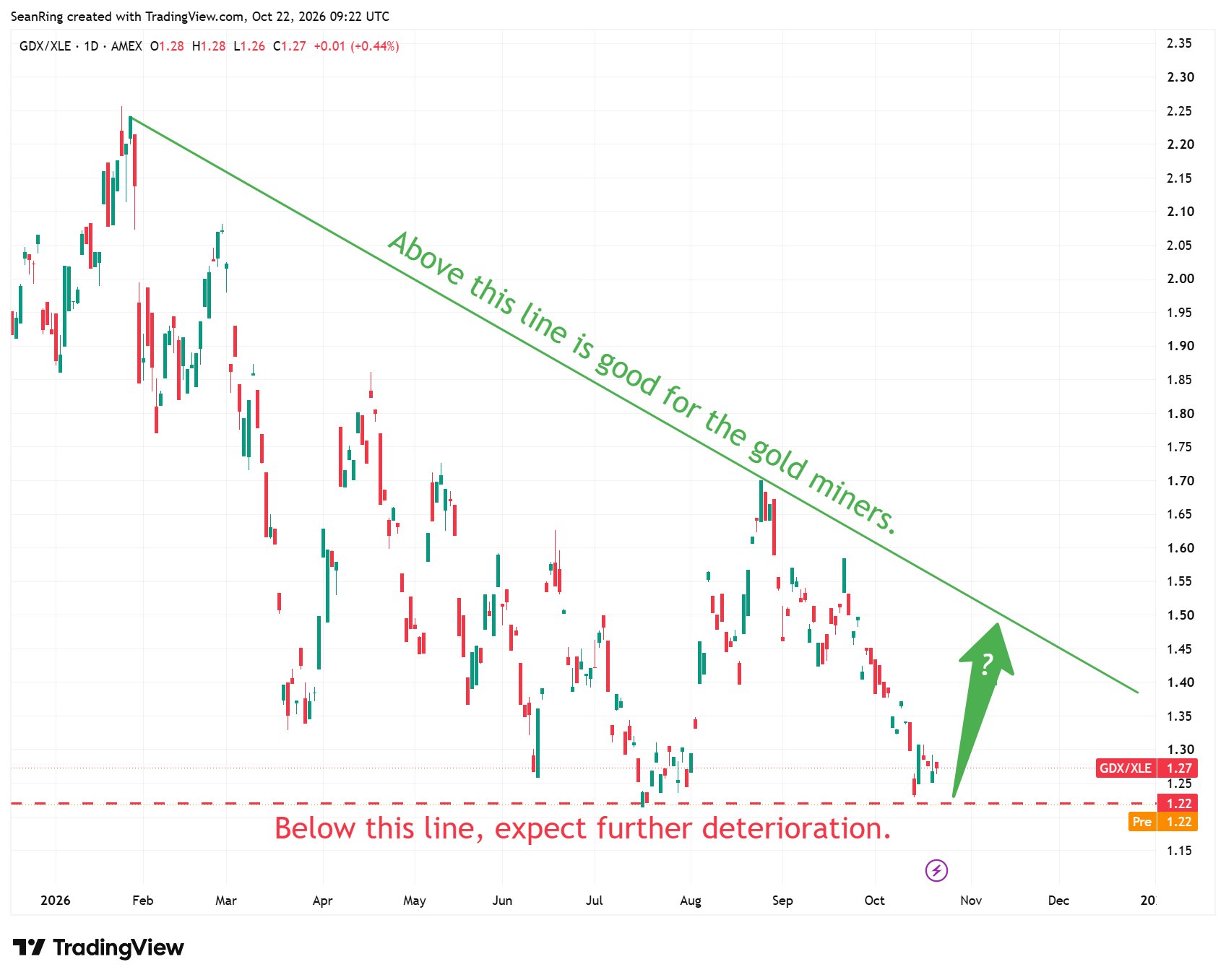
Let’s watch the price action over the coming weeks and months.
Wrap Up
One of my investing heroes, Stanley Druckenmiller, once said, “We mostly just sit around reading, thinking, and waiting.”
That’s mostly what I’m doing right now: waiting for the fat pitch. The miners just aren’t there for me yet.
Have a great day ahead.

Treason’s Greetings!
Posted October 21, 2026
By Sean Ring

Zach’s Second Opinion
Posted October 20, 2026
By Zach Scheidt

A COLA, But No Smile
Posted October 20, 2026
By Zach Scheidt

Give Me Liberty or Give Me Beige!
Posted October 19, 2026
By Matt Badiali

The Wright Stuff
Posted October 16, 2026
By Sean Ring
